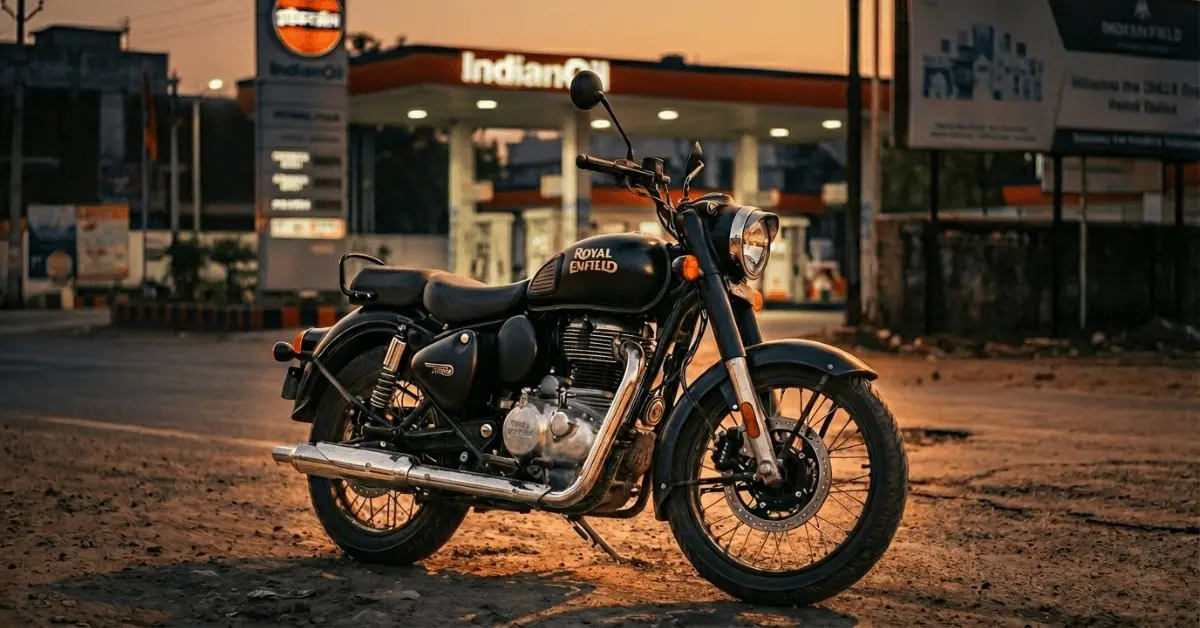
The Royal Enfield Classic 350 is an icon, captivating riders for generations with its timeless design and commanding road presence. A key part of its modern appeal is the attractive claimed mileage of around 40 kmpl. But what happens to that impressive number when it leaves the test track and hits the reality of daily commutes and stop-and-go city traffic?
Expectation vs. Reality: The 40 KMPL Claim Under Scrutiny
For a 350cc motorcycle, the claimed fuel efficiency of “around 40 kmpl” is a significant selling point, promising a blend of classic character and sensible running costs. However, in real-world conditions, especially for urban riders, achieving this figure consistently is a challenge. While the claim isn’t false—it represents performance under ideal conditions—the reality for most owners can be a source of disappointment when their fuel gauge tells a different story.

Key Factors Affecting Your Fuel Gauge
The gap between the advertised mileage and your actual experience isn’t a mystery. It comes down to the fundamental design and character of the motorcycle.
A Heavy Machine
The Classic 350 is a substantial motorcycle. With a kerb weight of approximately 191 kg (as listed for the mechanically similar Bullet 350 model), it has significant mass. Simply put, moving more weight requires more fuel, a fact that becomes especially noticeable during the constant starting and stopping of city riding.
An Engine Built for Vibe, Not Sips
The heart of the bike is its 349cc J-series single-cylinder unit, an engine tuned specifically for a particular kind of ride. This engine is designed to deliver a confident, relaxed, thumping rhythm and strong performance in the mid-range, not to operate at peak fuel efficiency. It prioritizes a calm, powerful ride over squeezing every last kilometer from a litre of petrol.
Your Riding Style Matters
As with any vehicle, how you ride has a direct impact on fuel consumption. The official mileage figures are achieved with smooth, steady cruising. Aggressive acceleration and the frequent braking common in city traffic will significantly reduce your fuel efficiency, a reality confirmed by a key factor that mileage will always vary based on “riding style, traffic, and road conditions.”

The Feeling of a Mismatched Expectation
For a new owner, this discrepancy can be disheartening. You may have budgeted your daily running costs based on that attractive “40 kmpl” figure, only to find yourself visiting the petrol station more often than anticipated. This isn’t a fault of the brand, but rather a common case of a marketing ideal meeting the harsh demands of real-world use.
Conclusion: Who Should Still Buy the Classic 350?
Understanding the bike’s true character is key to avoiding buyer’s remorse. The Classic 350 is a fantastic motorcycle, but its strengths lie in areas other than pure fuel economy.
Still a Great Buy For… The Classic 350 remains an excellent choice for riders who prioritize its timeless style, commanding road presence, and relaxed, torque-rich riding experience above all else. This bike is for those who consider riding an experience, not just a machine. If you value the journey, the sound, and the feeling of piloting an icon, the lower-than-claimed mileage is a secondary concern.
You Might Reconsider If… If your top priority is maximum fuel efficiency for a daily commute and the lowest possible running costs, you might experience purchase regret. For riders who are primarily focused on practicality and economy, there are other options on the market specifically engineered for maximum economy.
